
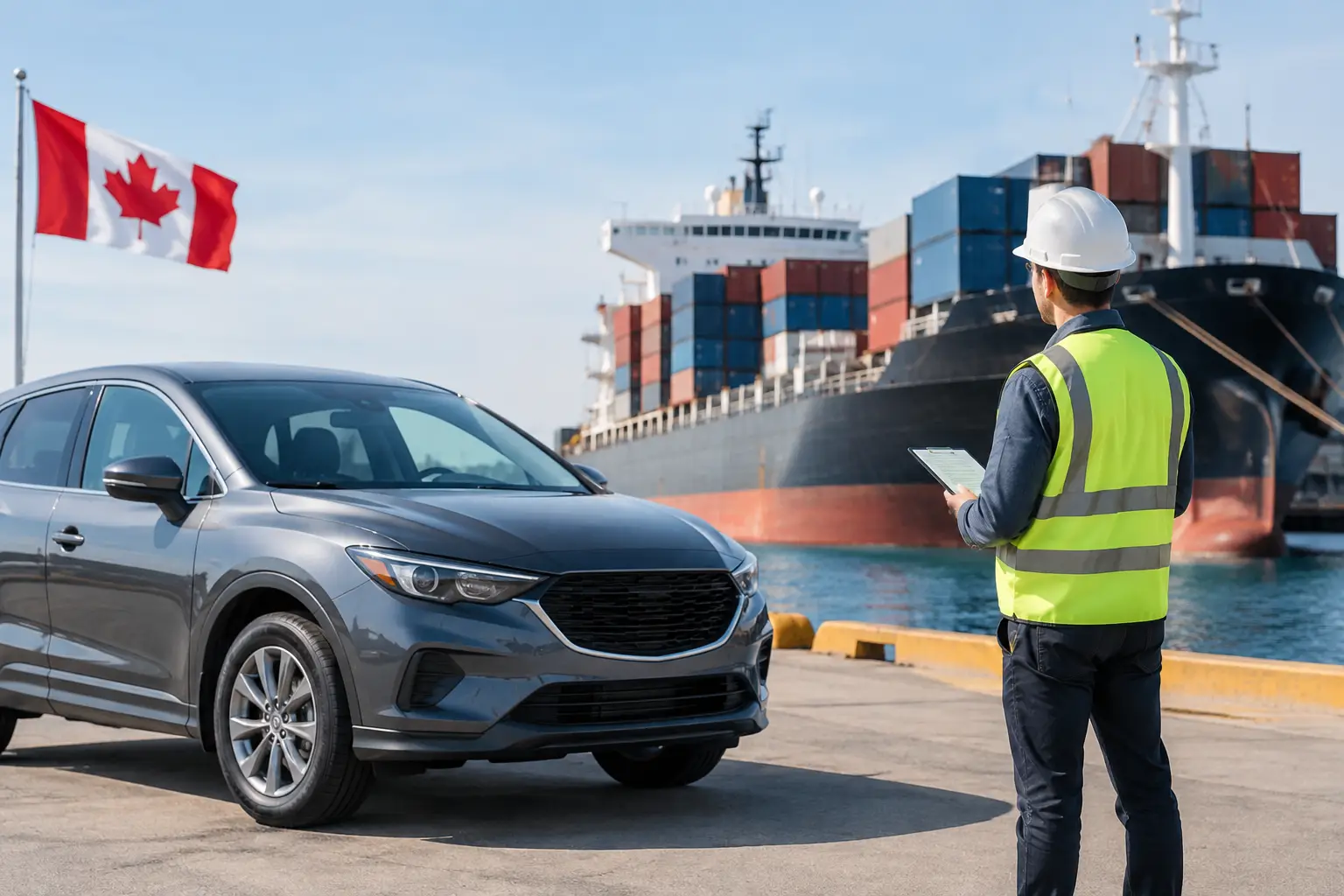
A vehicle can be one of the most valuable items in an international move, but it cannot simply be dropped at a port and loaded onto a ship. If you are researching how to export a car from Canada, the process starts well before pickup: you need to confirm that the destination country will accept the vehicle, prepare ownership documents, select the right transport method, and meet export and import customs requirements.
For a family relocating overseas, a returning expatriate, or a business moving vehicles or equipment, the details can affect both cost and timing. A car that is eligible to leave Canada may still face age rules, emissions standards, registration restrictions, taxes, or inspection requirements at destination. The best shipment plan is the one built around those rules, not just the lowest freight rate.
Start by Confirming the Car Can Be Imported
Before booking transport, verify the import rules in the country where the vehicle will be registered. Each destination has its own standards for model year, steering position, emissions equipment, safety compliance, and vehicle condition. Some countries welcome used personal vehicles with limited restrictions, while others make permanent import expensive or impractical.
Australia, many European countries, and destinations in South America can each have very different requirements. In some cases, returning residents, diplomats, or people moving permanently may qualify for exemptions or reduced taxes. In others, the car must meet strict approval conditions before it leaves Canada.
Ask these questions early:
- Is your make, model, and model year permitted for import?
- Can a left-hand-drive vehicle be registered in the destination country?
- Will you need a local inspection, modification, or compliance certificate?
- What import duty, sales tax, excise tax, or registration charges apply?
- Is the vehicle being imported permanently, temporarily, or under a returning-resident program?
Do not rely on a friend’s previous experience or a general online estimate. Regulations change, and rules can differ based on the vehicle’s origin, fuel type, value, and the importer’s residency status.
Gather Ownership and Export Documents
The paperwork proves that you have the legal right to export the car and gives customs authorities the information needed to clear it. A freight forwarder can coordinate the shipping documents, but the registered owner must provide accurate vehicle records.
Most shipments require the original vehicle title or ownership document, a copy of the owner’s passport or government-issued identification, and the vehicle identification number, commonly called the VIN. If the car has a loan or lease, get written authorization from the lender or leasing company before making any shipping arrangements. Exporting a vehicle without that consent can create a serious delay.
You may also need a bill of sale, proof of purchase, registration, insurance information, and a power of attorney if another person or customs broker will act on your behalf. For business-owned vehicles, customs may request company registration documents and authorization from the business.
The transport provider will prepare or request shipping records such as the booking confirmation, bill of lading for ocean freight, and export declaration when required. Names, VIN digits, and addresses must match across the documents. A single incorrect VIN digit can hold a car at the terminal while corrections are made.
Keep originals and copies organized
Send clear copies when requested, but protect the originals until you know exactly where they are needed. Some customs offices require originals at destination; others accept certified copies or electronic submissions. Keep scanned copies of every document, along with the carrier’s contact details and shipment reference number.
Choose the Right Way to Ship Your Vehicle
Most private vehicle exports move by ocean freight. The two common choices are roll-on/roll-off service, known as RoRo, and container shipping. The appropriate method depends on the destination, the vehicle’s value and condition, your timeline, and whether you are shipping personal effects at the same time.
RoRo shipping means the car is driven onto a purpose-built vessel and secured inside the ship’s vehicle deck. It is often a practical option for operable cars, trucks, SUVs, buses, and machinery that can be driven or rolled. It can be more economical than a container, but personal belongings are generally not permitted inside the vehicle.
Container shipping places the vehicle in a dedicated container or, in some cases, a shared container. A container provides more physical separation from other cargo and can suit higher-value vehicles, non-running vehicles, or moves where permitted household goods are packed separately under a documented shipping plan. It is not automatically the best option, however. Container availability, port handling, and destination clearance can add cost and time.
Air freight is possible for specialty, luxury, or time-sensitive vehicles, but it is usually far more expensive than ocean transport. For most relocations, it is reserved for exceptional circumstances rather than standard personal vehicle shipping.
Prepare the Car for Port Delivery
Ports and carriers impose safety and handling requirements. Your vehicle should be clean enough for inspection, with no heavy mud or soil on the undercarriage, wheel wells, or interior. Agricultural authorities in some destination countries are especially strict about dirt, plant material, insects, and food residue.
Remove loose personal items, toll tags, parking passes, garage remotes, and valuables. Unless your shipping arrangement specifically allows approved personal effects, do not use the car as a storage unit. Undeclared items can lead to customs problems, additional inspections, or a refusal to load the vehicle.
The fuel tank is usually required to be low, often around one-quarter full or less, depending on the carrier. Check that the battery is secure, tires are properly inflated, and the car can be moved safely if you are using RoRo service. Photograph the exterior, interior, odometer, and VIN before handover. Those records are useful if you need to compare the vehicle’s condition at destination.
Tell the transport coordinator about any mechanical issue, aftermarket modification, alarm system, oversized dimensions, electric battery, or non-operable condition. A vehicle that cannot be driven may need specialized loading equipment and cannot be booked under the same terms as a standard running car.
Plan for Export Clearance and Destination Customs
Getting the vehicle to a Canadian port is only one part of the journey. The shipment must be cleared for export when required, loaded according to the carrier’s cutoff dates, and released at the destination port before it can be collected or delivered.
Export timing matters. Ports may require documents several business days before the vessel departure, and missing a documentation cutoff can move your vehicle to a later sailing. Build flexibility into your moving schedule, particularly during peak summer relocation periods and around holidays.
At destination, customs authorities may inspect the vehicle and assess applicable duties and taxes based on its declared value, shipping cost, origin, and import category. You may need to appoint a local customs broker, obtain an import permit, or arrange a compliance inspection before registration. Port storage charges can begin quickly if documents, payment, or customs release are delayed.
This is where end-to-end coordination has real value. One accountable freight partner can arrange collection from cities such as Toronto, Montreal, Calgary, Vancouver, Edmonton, or Mississauga, manage the ocean booking and export documentation, and coordinate destination agents for clearance and delivery. E-Cargo Inc. helps customers organize those moving parts so the car does not become the most complicated item in an international relocation.
Budget Beyond the Freight Quote
A shipping quote is essential, but it is not the full cost of exporting a car. Ask what is included from pickup through delivery and what charges may arise separately. The final budget can include inland towing or driving to port, export documentation, terminal handling, ocean freight, destination port fees, customs brokerage, taxes, inspections, storage, and local registration.
Door-to-door service can simplify the process, especially when you are leaving Canada before the vehicle arrives. Port-to-port service may look less expensive at first, but it requires you or a local representative to manage destination customs, port release, and onward transportation. Neither option is universally better. The right choice depends on how familiar you are with the destination and how much responsibility you want to carry yourself.
Insurance is another decision worth examining closely. Carrier liability is often limited and may not reflect the car’s replacement value. Review available cargo insurance, exclusions, deductible amounts, and the condition-reporting process before the shipment begins.
Give Yourself Time Before You Move
International vehicle transport works best when it is planned weeks ahead, not days before a flight. Booking early gives you time to verify import eligibility, obtain lender approval, correct paperwork, and choose a sailing that fits your relocation date. It also gives your freight coordinator time to flag destination requirements before the car reaches the terminal.
A clear quote should reflect the vehicle details, pickup city, destination, transport method, and expected customs support. Get a Quote Now with your VIN, make, model, dimensions, operating condition, and destination city, then make the decision with the full route and clearance requirements in view. A car can travel a long distance safely when every handoff is planned before the keys are collected.