
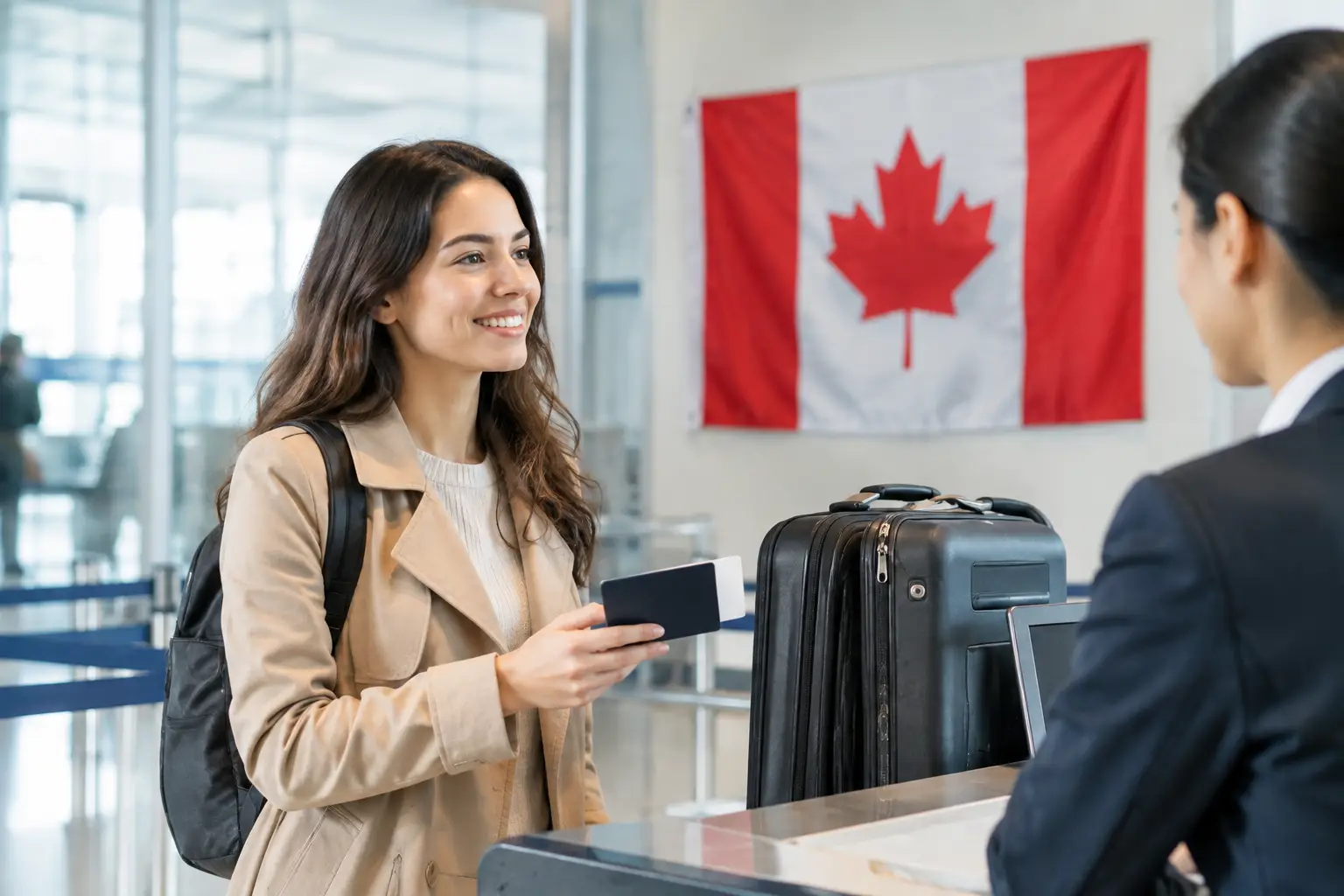
A shipment can arrive at a Canadian airport or port before you do, but it cannot clear properly without the right declaration, inventory, and proof that the goods belong to you. Whether you are returning home, immigrating, studying, or moving for work, knowing how to import personal effects into Canada before your shipment leaves can prevent storage charges, customs holds, and difficult last-minute decisions.
For most people, personal effects are the belongings used for daily living: clothing, books, furniture, kitchenware, sporting equipment, and other household items. The process becomes more complicated when goods are new, restricted, high-value, commercial in nature, or shipped separately from the traveler. Planning the customs side with the same care as packing and transport is the practical way to keep your move on schedule.
Who Can Import Personal Effects Into Canada?
Canadian citizens returning from abroad, former residents returning to Canada, newcomers, international students, and temporary residents may all bring or ship personal belongings into Canada. The rules that apply depend on your immigration or residency status, how long you were outside Canada, and whether the goods are accompanying you or arriving later.
A newcomer may generally bring household and personal goods without paying duty and taxes when they are owned, possessed, and used before arriving in Canada. A returning resident may qualify for personal exemptions based on the length of time spent outside the country, but those exemptions do not automatically make every item duty-free. New purchases, gifts, and goods intended for resale should be clearly identified and declared.
The key distinction is between genuine personal effects and commercial goods. Ten used shirts packed for your own wardrobe are different from ten sealed, identical shirts intended for customers. Customs officers look at the type, quantity, value, condition, and purpose of the shipment.
Documents Needed to Import Personal Effects Into Canada
Your paperwork should tell a consistent story: who owns the goods, what is being shipped, where they came from, and why they are entering Canada. Do not rely on a vague description such as “used household items.” It may be true, but it gives customs little information to work with.
Prepare a detailed packing list or inventory before pickup. Include the number of boxes, a description of the contents, the estimated value in Canadian dollars, and the condition where relevant. High-value items such as jewelry, watches, cameras, artwork, electronics, musical instruments, and professional equipment should be listed individually. Photos, purchase receipts, insurance valuations, or serial numbers can help support ownership and value if questions arise.
You will also typically need your passport or travel document, proof of status in Canada where applicable, shipment transport documents, and a customs declaration. People arriving as newcomers or former residents may need to complete the Canadian personal effects accounting documentation for goods that arrive later, often called “goods to follow.” Keep a stamped or validated copy with your records. Your freight provider will need it when the shipment reaches Canada.
If someone else is receiving the shipment for you, confirm in advance whether a signed authorization or power of attorney is required. A freight forwarder can coordinate transport and documentation, but the importer remains responsible for the accuracy of the declaration.
Accompanying Goods and Goods to Follow
The easiest belongings to clear are often those traveling with you as checked baggage or in your vehicle. They are known as accompanying goods because you present them when you enter Canada. Even then, you must declare items that require disclosure, including purchases made abroad.
Goods to follow are personal effects that arrive after you. This is common when you fly ahead with a few suitcases and send furniture, excess baggage, boxes, or household goods by air or ocean freight. List these goods when you first enter Canada rather than waiting until the shipment arrives. A clear inventory is essential because customs needs to connect the later shipment to your original declaration.
Do not add major unlisted items to a shipment after your arrival and assume they will receive the same treatment. If you purchase a new television, mattress, or appliance after entering Canada, it may not qualify as goods to follow. Ask for guidance before shipping it.
Choose Air Freight or Ocean Freight Based on the Shipment
The right transport mode depends on volume, timing, budget, and how urgently you need the goods. Air freight is usually the practical choice for luggage, boxes, documents, essential personal items, and smaller household shipments. It costs more per pound or kilogram, but transit is much faster and can be easier to coordinate for a time-sensitive relocation.
Ocean freight suits larger household moves, furniture, vehicles, and bulky equipment. It generally offers better value for substantial volumes, especially when your shipment can move in a shared container. The trade-off is time. Ocean shipments require more lead time, port handling, and careful delivery planning after arrival.
For a small shipment, international courier service may be more appropriate than freight. For a full household move, sending everything by air rarely makes financial sense. A practical plan often combines methods: travel with essentials, send a limited air shipment for the first weeks, then move the balance by ocean freight.
Items That Need Extra Attention
Certain goods can be imported only with declarations, permits, inspections, or supporting documents. These items should never be packed casually into a box labeled “miscellaneous.” Before shipping, identify anything that could be regulated or prohibited, including:
- Food, plants, seeds, soil, wood products, and animal products
- Alcohol, tobacco, cannabis, prescription medication, and health products
- Firearms, weapons, ammunition, and controlled items
- Vehicles, motorcycles, boats, and related equipment
- Pets, animal materials, fur, ivory, artwork, or antiques made from protected species
- Business inventory, tools for sale, samples, or equipment intended for commercial use
Canada has strict controls for many agricultural and animal-related products because of disease, pest, and food-safety risks. Even unopened food may require declaration. Medication should remain in original packaging and be accompanied by documentation where appropriate. Firearms and vehicles have separate import requirements that should be addressed well before booking transport.
If you are uncertain about an item, declare it and ask before shipment. Failing to declare a restricted item can lead to seizure, penalties, and significant delays for the rest of your belongings.
Packing and Valuation Mistakes That Cause Delays
Customs delays are not always caused by prohibited items. More often, the problem is incomplete paperwork, unclear values, or packing that does not match the inventory. A box described as “clothes” that contains electronics, tools, and liquor invites additional questions.
Pack by category where possible and label cartons in a way that aligns with your inventory. Used items still need reasonable values. Declaring a household shipment with every item valued at one dollar can look inaccurate, while overstating values can increase insurance and duty exposure. Use realistic resale or current used-market values unless customs specifically requires another basis of valuation.
Avoid sending cash, irreplaceable documents, passports, and high-value jewelry in a freight shipment. Carry them with you whenever possible. Also remove batteries, fuels, aerosols, and other dangerous goods unless they have been reviewed for the selected transport mode. Airline and ocean carrier rules may be stricter than customs rules.
Work With One Accountable Shipping Partner
International personal-effects shipping has several moving parts: collection, packing, export clearance, airline or vessel booking, Canadian customs release, storage if needed, and final delivery. The least expensive quote is not always the least expensive move if it leaves you managing customs documents, terminal charges, or an unplanned delivery problem alone.
E-Cargo Inc. coordinates personal-effects shipments from Canadian cities including Montreal, Toronto, Calgary, Vancouver, Edmonton, and Mississauga, with air, ocean, and door-to-door options matched to the shipment. A tailored quote should account for volume, destination, pickup access, packing needs, transit timing, customs requirements, and delivery service rather than offering a one-size-fits-all price.
Before booking, ask what documentation is required, who will submit customs information, what charges may apply at destination, and how long goods can remain in storage if clearance takes longer than expected. Clear answers before pickup are worth far more than assumptions after the shipment lands.
Your belongings may be personal, but the import process is formal. Start the inventory early, declare honestly, separate restricted items, and choose a transport plan that matches your real timeline. When you are ready to move, Get a Quote Now and put one experienced team in charge of the details.