
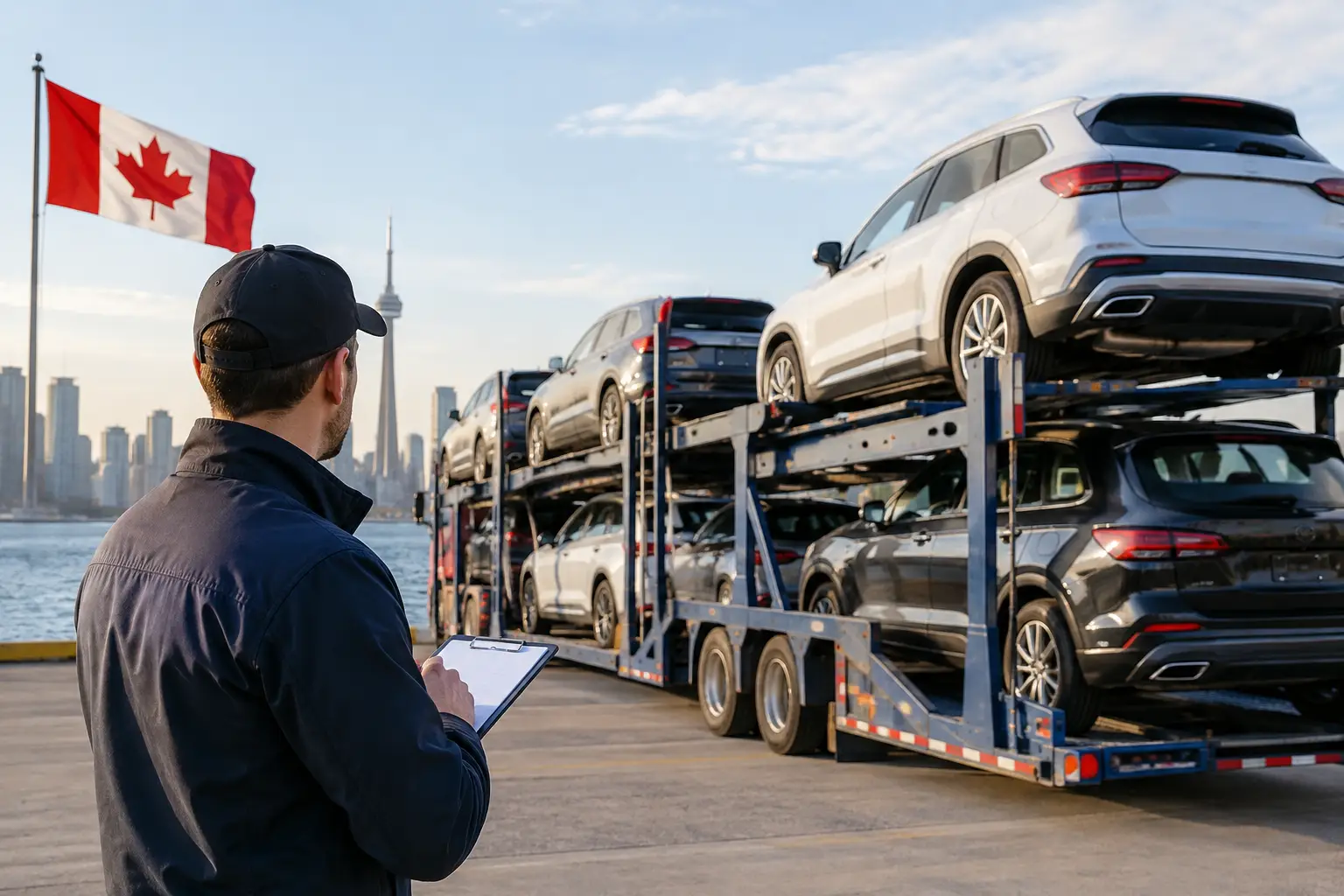
A vehicle pickup can look simple: hand over the keys, sign an inspection report, and watch the truck leave. For international car shipping, that moment is actually the final result of decisions made weeks earlier about the route, shipping method, documents, customs clearance, and destination delivery. Missing one detail can delay a departure, create storage charges, or leave a vehicle waiting at port.
Whether you are relocating overseas, sending a family vehicle to Europe, moving to Australia, or transporting a collector car for sale, the right plan starts with the vehicle itself and where it must arrive. A dependable freight forwarder should take charge of the transport details before pickup day, not leave you to coordinate carriers, terminals, customs offices, and final delivery on your own.
Car Shipping Begins With the Route and Vehicle
The best transport method depends on more than distance. A compact sedan moving from Montreal to France has different requirements from an SUV shipping from Toronto to South America or a specialty vehicle headed from Vancouver to Australia. The vehicle’s size, value, condition, destination port, and required delivery date all affect the quote and transit plan.
For overseas transport, ocean freight is often the practical choice. Roll-on/roll-off service, commonly called RoRo, allows operational vehicles to be driven onto and off a vessel. It can be cost-effective for standard vehicles, but personal items are generally not allowed inside the car, and the schedule is tied to specific port calls.
Container shipping gives more control and added protection. A vehicle can travel in a shared container or a dedicated container, depending on size, route, and budget. This option may suit higher-value vehicles, non-running vehicles, or customers who need to ship approved household goods separately within the same container arrangement. Packing and securing must be completed correctly to protect the vehicle during ocean transit.
For moves within North America, enclosed or open vehicle carriers may be appropriate. Open transport is common and economical for everyday vehicles. Enclosed transport costs more but offers protection from road debris, weather, and public exposure. It is often preferred for luxury, antique, performance, or newly restored vehicles.
Documents Can Determine Whether a Vehicle Leaves on Time
International vehicle transport is documentation-driven. The paperwork needed varies by origin, destination, vehicle age, ownership status, and import purpose. A car being temporarily imported may be handled differently from one entering a country permanently.
Before booking, confirm that the name on the ownership documents matches the exporter or that you have clear authority to ship the vehicle. If the car has financing or a lien, written approval from the lender may be required before export. Destination authorities may also require an import permit, proof of compliance, or a local agent authorization.
A typical car shipping file may include:
- Vehicle title or registration and proof of ownership
- Passport or government-issued identification for the shipper
- Commercial invoice or declared vehicle value documentation
- Export declaration or authorization where required
- Lien release or lender permission for financed vehicles
- Destination import forms, permits, or power of attorney documents
Original documents are sometimes required, while other routes accept certified copies or electronic submissions. Do not assume requirements are the same from one country to another. Customs rules can change, and a vehicle that is accepted for export from Canada may still need to meet separate safety, emissions, age, or right-hand-drive rules at destination.
Prepare the Vehicle for Transport, Not Just the Driveway
A clean vehicle makes the inspection process more accurate. Before pickup or terminal delivery, wash the exterior and photograph every side, the wheels, windshield, interior, and any existing damage. Take close-up photos of scratches, dents, cracks, and low-clearance areas. Keep a dated copy for your records.
Remove personal belongings unless your shipping arrangement specifically permits them. Loose items can shift in transit, complicate customs declarations, and may not be covered under vehicle carrier terms. Personal documents, valuables, electronics, tools, and spare parts should not be left in the vehicle without written confirmation that they are accepted.
Check the fuel level as well. Carriers and terminals commonly require only a small amount of fuel, often around one-quarter tank or less. Disable toll tags and alarms, provide working keys, and identify any mechanical issues in advance. A non-running vehicle, low battery, brake problem, or fluid leak may require special handling and can change the transport price.
If the vehicle has an alarm, aftermarket suspension, a roof rack, oversized tires, or unusually low ground clearance, tell the transport coordinator before booking. These details are not minor. They affect loading equipment, container dimensions, carrier access, and safe securing procedures.
What Affects Car Shipping Cost and Timing?
A quote should reflect the actual shipment, not a generic rate pulled from a route list. Distance matters, but transport mode, port fees, vehicle dimensions, pickup location, destination customs process, and delivery requirements can carry equal weight.
Door-to-door service is convenient, particularly for customers outside major ports. However, narrow residential streets, limited truck access, and remote addresses can require a nearby meeting point or local transfer. Terminal-to-terminal service can reduce costs in some cases, but it puts more coordination on the shipper and may add storage risk if the vehicle is not collected quickly at destination.
Timing also requires realistic expectations. Inland pickup must be scheduled, export paperwork must be accepted, and the vehicle may need to wait for a vessel departure or consolidation date. Ocean transit itself is only one part of the journey. Customs review, port congestion, inspections, weather, transshipment, and final delivery appointments can all affect the final arrival date.
If your travel date is fixed, begin arranging transport early. A freight professional can help you choose between a faster route and a lower-cost route, but no responsible provider should promise a customs clearance date that is controlled by government authorities. The goal is a clear timeline with practical contingencies, not an unrealistic guarantee.
Choose a Provider That Controls the Details
The lowest price is not always the lowest total cost. A quote that excludes terminal handling, documentation, destination charges, customs coordination, or inland delivery can become expensive once the vehicle is already in transit. Ask what is included at origin and destination, who handles customs communication, and what happens if the vehicle arrives before you do.
You should also understand the inspection and claims process before pickup. The condition report completed when the vehicle is collected or delivered to a terminal is a key record. Review it carefully, note pre-existing damage, and keep your own photos. Ask whether cargo coverage is available, what it covers, what exclusions apply, and how a claim must be reported.
For complex international moves, one accountable contact is valuable. E-Cargo Inc. coordinates vehicle transport with freight, documentation, customs support, and delivery planning so customers are not left managing separate parties across multiple countries.
Pickup and Delivery Day: Keep the Process Simple
At pickup, the driver or terminal representative will inspect the vehicle and record its condition. Be present if possible. Confirm the vehicle identification number, mileage, keys provided, and any operating instructions. If someone else is releasing the car, make sure that person has written authorization and understands the paperwork.
At destination, customs clearance must be completed before final release. Depending on the country, taxes, duties, inspection fees, registration requirements, or storage charges may apply. Arrange local insurance before driving the vehicle away, especially if your existing policy does not extend to the destination country.
Shipping can make more financial and practical sense than selling when the vehicle is paid off, well maintained, difficult to replace, or already compliant with destination requirements. It may be less attractive when import taxes are high, local compliance modifications are extensive, or the cost of transport approaches the vehicle’s market value. A detailed quote and import review give you the information to make that decision before the keys change hands.
The best time to solve a shipping problem is before your vehicle reaches the port. Gather your documents early, disclose the vehicle’s real condition, and request a route-specific quote that explains each transport step. When you are ready to move your vehicle, get a quote now and put a clear plan in place before pickup day.