
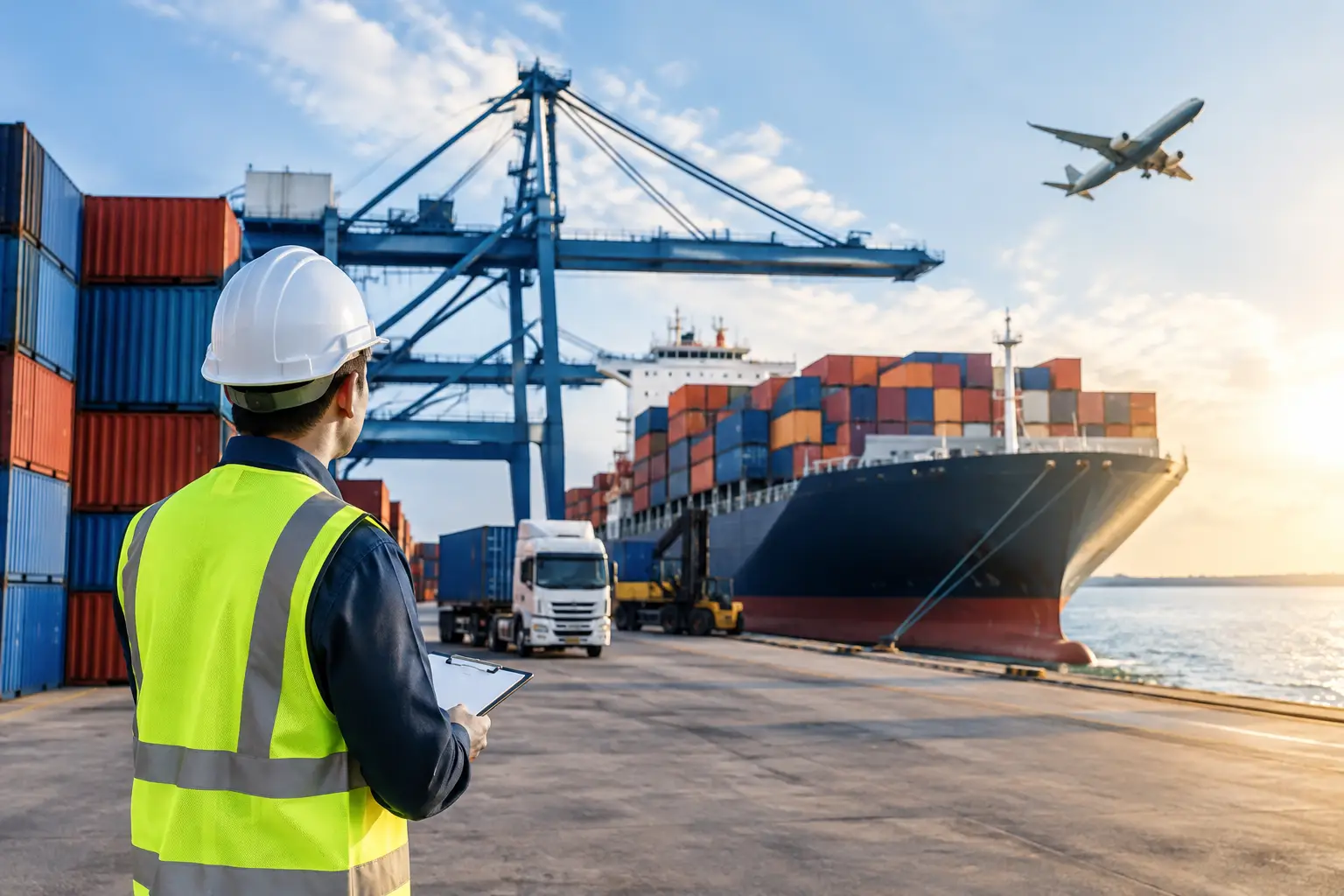
A shipment can be packed perfectly and still be delayed by one missing document, an unclear item description, or a transport method that does not suit the destination. Export logistics is the work of preventing those problems before your luggage, household goods, vehicle, machinery, or commercial cargo leaves the country.
For someone relocating from Toronto to France, sending excess baggage from Montreal to Australia, or moving business equipment from Vancouver to South America, the process is more than booking space on a plane or vessel. It involves the route, packing standard, export paperwork, customs clearance, transit timing, and final delivery. When those steps are coordinated by one accountable freight partner, international shipping becomes far more manageable.
What Export Logistics Covers
Export logistics is the planning and movement of goods from an origin country to an international destination. It includes arranging pickup, selecting air, ocean, road, or courier service, preparing shipping documents, coordinating export and import clearance, monitoring transit, and organizing delivery.
The right plan depends on what is being shipped. A few suitcases or boxes of personal effects may be best handled by international courier or air freight. A full household move, multiple pallets, or a vehicle may be more cost-effective by ocean freight. Urgent commercial parts often justify air freight, while heavy machinery requires detailed handling plans, equipment specifications, and a route that can support the cargo weight.
There is no single cheapest or fastest option for every shipment. Air service generally reduces transit time but costs more, especially for large or heavy items. Ocean freight can reduce the cost per cubic foot for larger moves, but it requires more lead time and can involve port schedules, container loading, and destination charges. A dependable quote should explain these trade-offs clearly.
Start With an Accurate Shipment Profile
Good logistics decisions begin with accurate information. Before requesting a quote, identify the collection city, destination address, shipment dimensions, total weight, and the type of goods being sent. General descriptions such as “boxes” or “household items” are not enough for customs or freight planning.
For personal effects, prepare an inventory that describes what is inside each package. Include practical details such as clothing, books, kitchenware, electronics, or used furniture. If an item has significant value, is new, or is regulated, identify it separately. Customs authorities need to know what is crossing the border, not just how many cartons are moving.
Commercial shipments need a commercial invoice with the buyer and seller information, item descriptions, quantities, declared values, country of origin, and the appropriate product classification where required. Machinery, vehicles, and specialized equipment may also require serial numbers, ownership documents, technical specifications, or export permissions.
Accuracy protects both timing and cost. If the declared contents differ from the physical shipment, customs may hold the cargo for examination. If the dimensions are underestimated, the carrier can apply corrected freight charges. A detailed shipment profile gives the forwarder the information needed to choose the right service from the start.
Choosing the Right International Freight Method
Air Freight for Urgent and Time-Sensitive Cargo
Air freight is often the practical choice for excess baggage, documents, parcels, urgent replacement parts, and smaller personal shipments. It can also work well for commercial cargo that needs to arrive quickly or has a high value compared with its size and weight.
The key consideration is chargeable weight. Airlines calculate freight charges using actual weight or volumetric weight, whichever is higher. Lightweight but bulky items can therefore cost more than customers expect. Proper packing and realistic measurements matter before a shipment is booked.
Ocean Freight for Larger Moves
Ocean freight is commonly used for household goods, vehicles, large commercial orders, and machinery. Customers may ship a full container when they have enough cargo to fill one, or use shared-container service for smaller volumes.
Ocean freight takes longer than air freight, and port-to-port transit is only part of the schedule. Cargo may need to be collected, packed, delivered to the port, loaded, cleared at destination, and transported to the final address. It is a strong option when budget and shipment size matter more than speed.
Courier and Road Freight for Flexible Delivery Needs
International courier services are useful for documents, small parcels, and time-sensitive packages requiring trackable door-to-door movement. Road freight can be part of a larger export plan, particularly for cargo moving between Canadian cities, border points, airports, and seaports.
A freight forwarder should not force every shipment into one method. The best export logistics plan may combine local pickup, air or ocean freight, customs coordination, and final-mile delivery based on the destination and the customer’s priorities.
Documents Are a Major Part of Export Logistics
International transport runs on documents as much as it runs on aircraft, trucks, and vessels. Missing paperwork can cause delays even when the cargo is ready to travel.
The documents required vary by shipment and destination, but common examples include an air waybill or bill of lading, packing list, commercial invoice, passport or identification documents for personal effects, proof of ownership for vehicles, and authorization forms for customs clearance. Some countries also require permits, certificates, or inspections for food, plants, animal products, alcohol, medical items, and controlled goods.
Customers shipping used personal belongings should be especially careful with items that are restricted or prohibited at destination. Certain food products, liquids, aerosols, batteries, medications, and wooden items can require special handling or may not be accepted. A clear review before pickup is much easier than dealing with a hold after arrival.
Declared value is another point where customers need practical guidance. Under-declaring goods to reduce duties can create serious customs issues and may limit insurance recovery if a claim is necessary. Honest, supportable values help protect the shipment and keep the clearance process on solid ground.
Packing Protects Cargo and Keeps Freight Moving
Packing is not only about avoiding damage. It also affects handling, carrier acceptance, warehouse storage, and customs inspection. Cartons should be sturdy, sealed properly, and labeled with the shipper and consignee details. Fragile goods need internal cushioning, while heavy items should be packed in containers that can safely support their weight.
For furniture, artwork, machinery, and vehicles, professional packing may be the safer choice. These shipments often need export-grade crating, palletization, blocking and bracing, or protective wrapping. Poor packing can lead to damage during loading, warehouse handling, or international transit, and may affect carrier liability.
Do not pack passports, cash, irreplaceable legal documents, or essential medications into freight. Keep those items with you. For electronics, check battery restrictions before packing. Lithium batteries are heavily regulated in air transport, and rules depend on the battery type, capacity, and whether it is installed in equipment.
Customs Clearance Should Be Planned, Not Treated as a Final Step
Customs clearance is often where first-time international shippers feel overwhelmed. The process is simpler when it is addressed at the beginning, not after the shipment has already departed.
Import duties and taxes depend on the destination country, the type and value of goods, country of origin, and the reason for import. Personal effects may qualify for relief in some situations, particularly when a person is relocating, but eligibility rules differ by country. Used belongings are not automatically duty-free everywhere.
Commercial cargo can involve additional requirements, including product standards, labeling, import licenses, tax registration, and broker authorization. A shipment that appears straightforward in Canada may face different rules in France, Australia, Brazil, or another destination market.
Working with a forwarder that coordinates documentation and communicates with the appropriate parties reduces the risk of last-minute surprises. It does not eliminate customs inspections or government processing times, but it gives the shipment a better chance of arriving with the right information attached.
Build a Timeline That Allows for Real Conditions
International freight schedules are estimates, not guarantees. Weather, port congestion, flight capacity, customs examinations, local holidays, and destination delivery conditions can affect timing. Customers should avoid scheduling a shipment around an immovable deadline unless they have allowed a realistic buffer.
For relocations, send nonessential household items early and keep immediate necessities with you. For commercial cargo, consider inventory needs at destination and build lead time into purchasing plans. The lowest freight rate may not be the best value if a delayed arrival disrupts a move, production schedule, or customer commitment.
Clear communication matters throughout the process. Provide a reachable phone number, respond quickly to document requests, and notify the logistics provider if the shipment contents, pickup location, or destination address changes. Small changes can affect the rate, routing, or customs entry.
One Point of Responsibility Makes the Process Easier
International shipments involve carriers, terminals, warehouses, customs agencies, and delivery partners. Managing each party independently can create gaps in communication. A freight forwarder that takes charge of pickup, packing, transport, documentation, clearance support, and delivery coordination gives customers one place to turn when questions arise.
E-Cargo Inc. helps customers arrange tailored transport for personal effects, excess baggage, vehicles, machinery, and commercial cargo from major Canadian cities to destinations worldwide. The objective is straightforward: select the right route, prepare the shipment correctly, and keep every transit step under control.
Before you ship, request a quote based on the actual cargo, destination, timing, and service level you need. A well-planned export shipment starts with the right questions, and it ends with your goods arriving where they need to be. Get a Quote Now.