
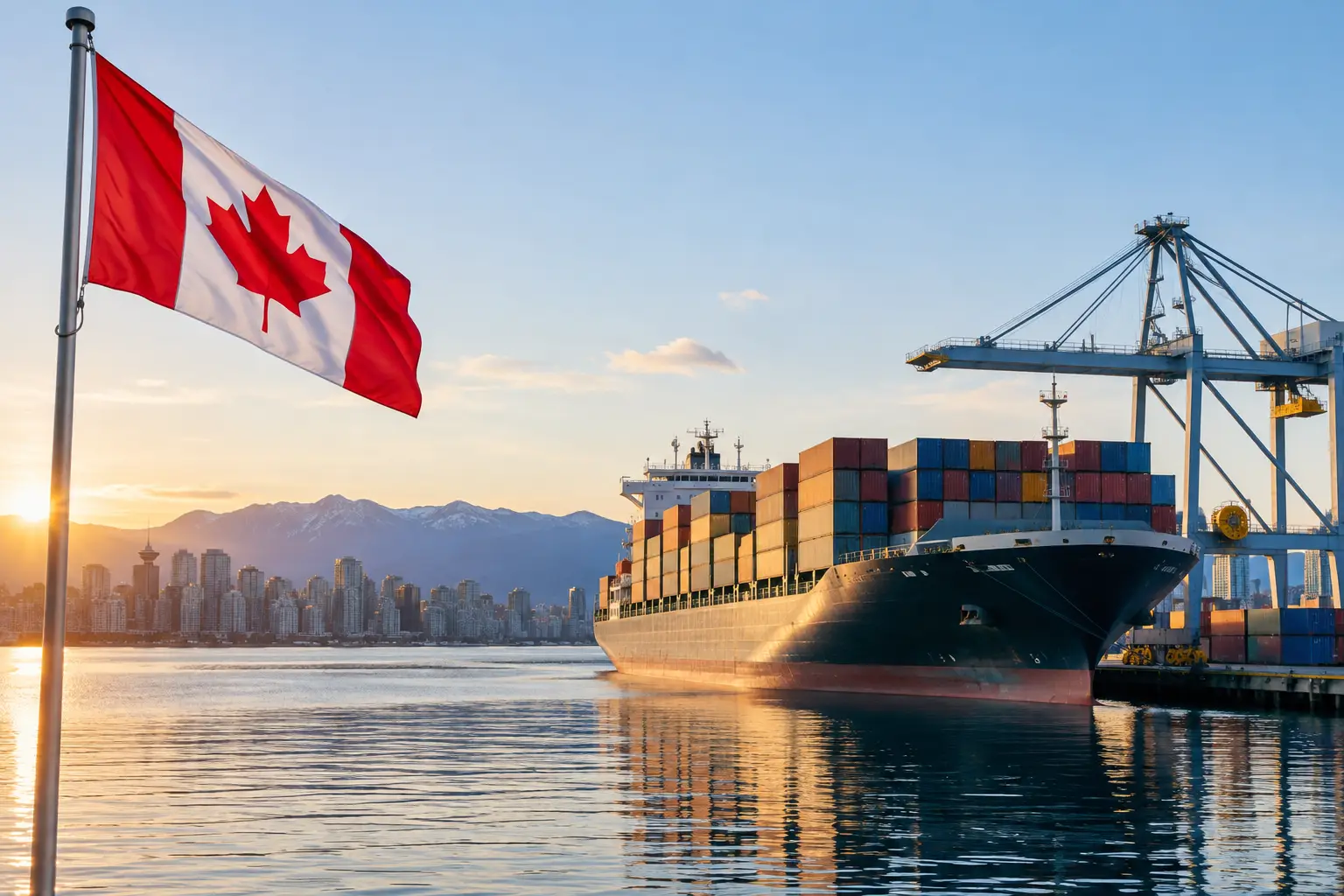
A move overseas rarely fits into a few suitcases. Whether you are relocating a family home from Toronto to France, sending machinery from Calgary to South America, or moving commercial stock from Vancouver, Container shipping gives larger shipments a practical route by sea. The right plan protects your goods, keeps paperwork under control, and prevents avoidable costs at the port.
Ocean freight can feel slower and more complicated than air shipping, but it is often the better value for household goods, vehicles, equipment, and high-volume commercial cargo. The key is choosing the right container option, preparing cargo correctly, and having one accountable logistics provider coordinate the trip from pickup through final delivery.
How Container Shipping Works
A shipping container is loaded at the origin, moved by truck or rail to a port, carried by ocean vessel, cleared through customs at destination, and released for local delivery or pickup. Every step has a deadline. Missing a document cutoff, submitting incomplete cargo details, or packing prohibited goods can delay the entire shipment.
For personal effects, the process usually begins with an inventory and a quote based on volume, destination, pickup location, and required services. Commercial shipments also need product descriptions, values, quantities, packaging details, and customs classifications. If cargo needs export crating, storage, vehicle preparation, or specialized handling, those requirements should be identified before booking.
Ocean services can be arranged from major Canadian markets such as Montreal, Toronto, Mississauga, Calgary, Edmonton, and Vancouver. The most efficient departure port depends on where the shipment starts and where it is going. A shipment from Western Canada may move through Vancouver, while cargo from Central or Eastern Canada may be better positioned through Montreal or another available gateway.
FCL and LCL Container Shipping Options
The most common decision is whether to book a full container or share space with other shippers.
Full Container Load
A Full Container Load, commonly called FCL, means your cargo uses an entire container. Standard sizes include 20-foot and 40-foot containers, with larger high-cube options available for bulky household goods or commercial freight. FCL can be a strong choice for a full home move, a vehicle plus personal belongings where permitted, heavy machinery, or a large order of merchandise.
Because the container is dedicated to one shipment, FCL generally involves less handling at the consolidation warehouse. That can reduce the risk of loss or damage caused by repeated loading and unloading. It also gives you more control over how cargo is blocked, braced, and secured inside the container.
FCL is not automatically the least expensive option. If you only use a small portion of the space, paying for the whole unit may not make financial sense. A detailed quote should compare the full-container rate with the cost of a shared shipment, including pickup, terminal charges, customs support, and final delivery.
Less Than Container Load
Less Than Container Load, or LCL, combines your freight with cargo from other customers in a shared container. It is often suitable for cartons, pallets, excess baggage, smaller household moves, and commercial shipments that do not justify an entire container.
LCL lets you pay for the volume you use, which can make ocean freight accessible for smaller loads. The trade-off is added handling. Cargo is delivered to a warehouse, consolidated into a container, separated after arrival, and then released for onward delivery. That process may add time compared with a direct full-container shipment.
LCL rates are not based only on ocean space. Warehouse handling, documentation, destination charges, and delivery can represent a meaningful share of the final cost. Ask for a quote that clearly identifies origin services and estimated destination-side charges so you can budget realistically.
What Determines the Cost of Ocean Freight
Container shipping prices change with the route, season, equipment availability, fuel-related carrier charges, and port conditions. A quote for a shipment to Europe may look very different from a shipment to Australia or South America, even when the cargo volume is similar.
The cargo itself also matters. Large but lightweight goods are typically priced by volume, while dense machinery may be affected by weight restrictions and loading needs. Fragile items may require professional packing or wooden crates. Vehicles need their own documentation, condition reporting, and port procedures. Hazardous materials, batteries, liquids, and restricted goods require additional review and may not be accepted in standard household shipments.
For a useful quote, provide accurate dimensions, weight, pickup postal code, destination address, and a clear description of what you are shipping. An estimate based on a vague statement such as “a few boxes and furniture” can change once the cargo is measured. Accuracy at the beginning helps avoid surprise charges later.
Customs Documents Are Part of the Shipment
A container cannot move internationally on cargo alone. Customs authorities need to know who is shipping, what is inside, what it is worth, and why it is entering the destination country. Personal effects, unaccompanied baggage, gifts, commercial merchandise, vehicles, and machinery can each follow different clearance rules.
Most shipments need an inventory or packing list, identification from the shipper, and transport documentation. Commercial freight commonly requires an invoice and may need product codes, permits, certificates, or proof of origin. A returning resident or person relocating abroad may qualify for a particular customs treatment, but eligibility depends on the destination country and personal circumstances.
Do not pack passports, original documents, medication, cash, irreplaceable jewelry, or essential items you will need immediately into an ocean container. Keep those with you or send them by an appropriate secure method. Also avoid assuming that an item allowed in Canada is automatically permitted abroad. Food, plants, animal products, untreated wood, and certain electronics can create inspection issues.
A freight forwarder can coordinate documentation and explain what is needed, but the shipper remains responsible for providing truthful, complete information. Undeclared goods and inaccurate values can lead to inspections, penalties, storage costs, or cargo holds.
Packing for a Long Ocean Journey
Ocean cargo experiences more than vessel movement. It may be trucked, lifted by terminal equipment, stored at a port, and handled at a destination warehouse. Packing must account for stacking pressure, shifting, humidity, and repeated handling.
Household goods should be wrapped, boxed, and labeled in a way that allows the inventory to match what customs officers see. Furniture needs protective padding, while breakable items need strong cartons and internal cushioning. Heavy pieces should be placed low and secured so they cannot move. For commercial cargo, pallet quality, shrink wrap, labels, and weight distribution all affect safe handling.
If your shipment includes wood packaging for commercial export, it may need to meet destination treatment requirements. Improvised crates can create customs complications, particularly when the wood lacks required markings. Professional packing is often worthwhile for fragile, high-value, oversized, or regulated cargo.
Timing: Plan Beyond the Vessel Transit
Customers often focus on the sailing time, but the vessel voyage is only one portion of the schedule. Allow time for pickup, warehouse receiving, container loading, export documentation, port processing, vessel departure, arrival, customs clearance, and final delivery.
A shared container may wait for consolidation before it departs. A full container may move faster through origin handling, but port congestion, weather, customs examinations, and carrier schedule changes can still affect arrival. If you are relocating, send essential belongings by air or carry them personally rather than relying on the container to arrive on a fixed date.
Booking early is particularly useful during busy moving periods and before major holidays. It gives more room to arrange packing, confirm documents, reserve equipment, and choose a pickup date that works with your departure plans.
Choose One Partner to Manage the Details
A good container shipment is not simply a container reservation. It is a coordinated sequence of pickup, packing, export handling, ocean transport, customs preparation, storage when needed, and destination delivery. Working with one experienced forwarder helps prevent gaps between the trucker, warehouse, ocean carrier, and local delivery team.
E-Cargo Inc. coordinates personal effects, excess baggage, vehicles, household goods, machinery, and commercial cargo from Canada to destinations worldwide. The right solution depends on your shipment, timeline, destination rules, and budget. Get a Quote Now with an accurate item list and destination details, then let the planning begin before your moving date becomes a deadline.