
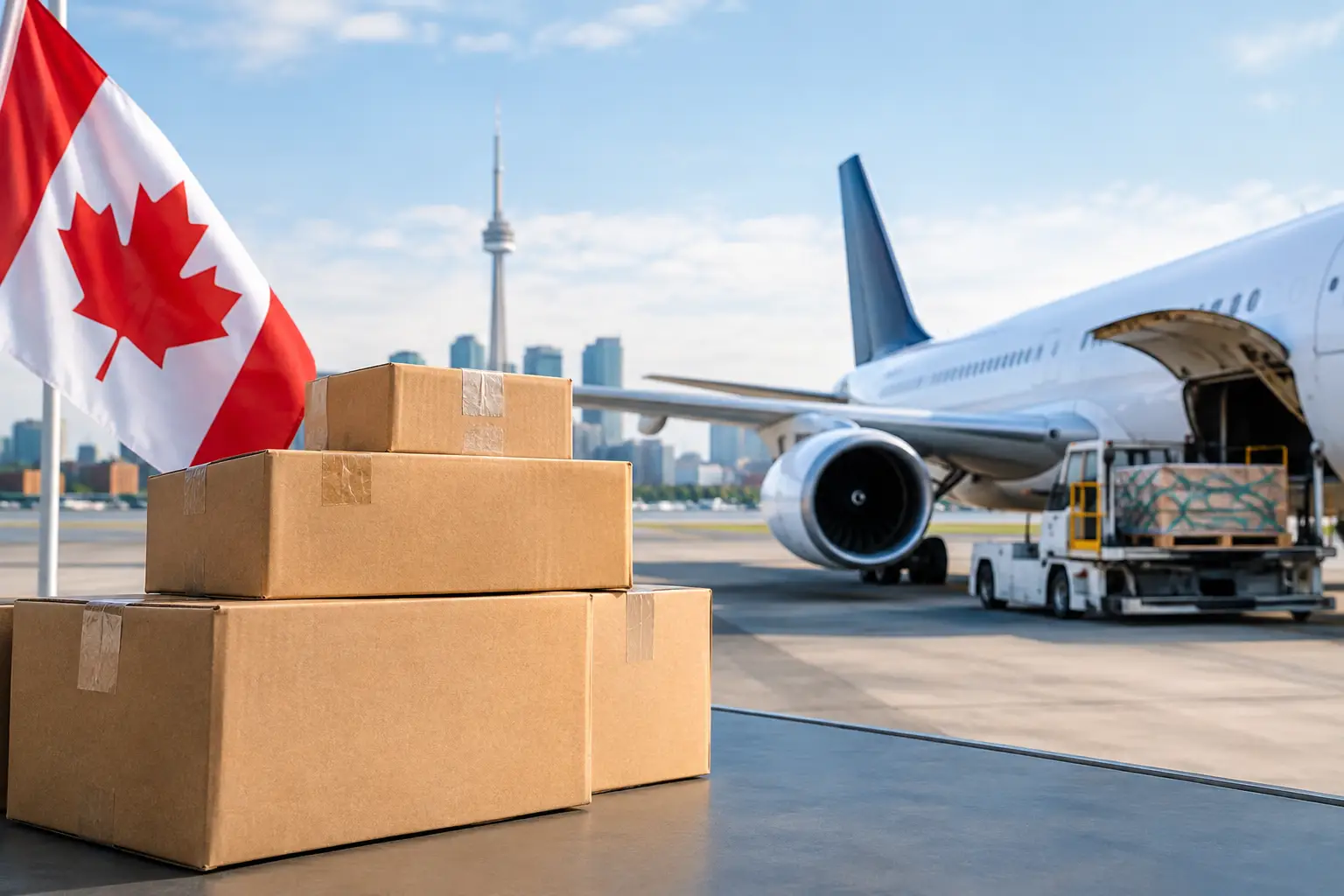
A box that arrives late is frustrating. A box that arrives damaged, held at customs, or billed for unexpected charges can turn an international move into a costly problem. The best ways to ship boxes depend on what you are sending, how quickly it needs to arrive, and whether you need one carton delivered or a household shipment coordinated from door to door.
For personal effects, excess baggage, gifts, business inventory, and relocation boxes, the right shipping plan starts before the carton is sealed. Size, weight, destination rules, declared value, and the transport method all affect the final cost and delivery timeline. A careful approach protects both your belongings and your budget.
Best Ways to Ship Boxes Internationally
There is no single shipping method that works best for every box. Courier services are often practical for smaller, urgent parcels. Air freight suits time-sensitive personal effects and larger shipments that need to move faster than ocean freight. Ocean freight is usually the more economical choice for multiple boxes, furniture, and non-urgent household goods. Ground transport may also be part of the route when a shipment is moving between Canada and the United States or connecting to an airport or seaport.
The best choice comes down to a trade-off between speed, price, and handling requirements. Sending a 15-pound box of documents or clothing to Europe is very different from sending ten cartons of family belongings to Australia. Shipping a few cartons to South America may require more attention to customs paperwork and local delivery arrangements than a domestic shipment.
A freight forwarder can coordinate the route, transport mode, customs documents, and final delivery under one plan. This is especially helpful when you are moving from Montreal, Toronto, Calgary, Vancouver, Edmonton, or Mississauga and do not want to manage separate carriers, warehouse transfers, and destination clearance on your own.
Start With the Box, Not the Shipping Rate
Shipping rates are based on more than actual weight. Air and courier carriers commonly charge by dimensional weight, which considers the space a package occupies. A large box filled with lightweight clothing can cost more than a smaller, heavier carton because it takes up more room in the aircraft or delivery vehicle.
Choose the smallest strong box that safely fits the contents. New, double-wall cartons are a smart choice for international moves and valuable belongings. Reused boxes can work for low-risk items, but only if they are clean, dry, rigid, and free of crushed corners or old labels.
Do not overpack. A carton that bulges at the sides may split during sorting or stacking. At the same time, do not leave empty space around fragile items. Fill gaps with packing paper, foam, or other protective material so contents cannot shift in transit.
For most personal-effects shipments, keeping individual boxes within a manageable lifting weight is wise. Heavy cartons are harder to handle, more likely to fail at the bottom, and may trigger additional carrier restrictions. If a box contains books, tools, or dense household items, divide the load into two cartons rather than forcing everything into one.
Pack for Multiple Handling Points
International boxes may pass through pickup vehicles, export facilities, airline or ocean terminals, customs inspection areas, and local delivery depots. Pack for that reality. Wrap fragile items individually, protect corners, and place heavier items at the bottom. Use strong packing tape across all center seams, then reinforce the edges with an H-shaped tape pattern.
Avoid relying on labels such as “Fragile” as your only protection. These labels can help signal careful handling, but they do not replace internal cushioning or a suitable carton. If an item is particularly valuable, unusually shaped, or easily damaged, professional packing may be the safer decision.
Match the Transport Mode to Your Deadline
Courier shipping is generally best for small boxes, urgent parcels, documents, and lower-volume personal effects. It offers faster transit and easier tracking, but the price can rise quickly for bulky packages. It is often a good fit when speed matters more than the lowest possible cost.
Air freight can be a practical middle ground for several boxes or larger personal shipments. It moves faster than ocean freight and may offer better value than express courier services when shipment volume increases. The exact timeline depends on flight availability, consolidation schedules, export processing, and customs clearance at destination.
Ocean freight usually provides the strongest value for relocations, multiple cartons, and household goods that do not need to arrive immediately. Transit takes longer, and the shipment may move on a consolidated basis with other cargo. That slower schedule is worthwhile when you are sending a substantial volume and planning ahead.
Do not choose solely on an advertised transit time. Ask whether the quoted timeline includes pickup, export handling, customs clearance, and delivery to the final address. A fast airport-to-airport service can still leave you responsible for destination paperwork, terminal collection, or local delivery unless those steps are included.
Prepare Customs Documents Carefully
Customs paperwork is where many otherwise well-packed shipments lose time. Every international box shipment needs an accurate description of what is inside and a realistic declared value. “Personal items” or “miscellaneous goods” is often too vague for customs authorities. Describe items clearly, such as “used clothing,” “books,” “kitchenware,” or “children’s toys.”
A detailed packing list helps customs officials understand the shipment and helps you verify that everything arrives. Include the quantity, item description, estimated value, and whether the goods are new or used. For relocations, personal effects may qualify for different treatment than commercial goods, but eligibility depends on the destination country and your residency status.
Do not send restricted or prohibited items without checking the rules first. Common problem items include batteries, aerosols, perfumes, alcohol, tobacco, food, medicines, plants, animal products, and goods made from protected materials. Rules vary widely by country. A product that is acceptable to ship within Canada may be restricted, taxed, or refused abroad.
Be honest about values and contents. Under-declaring a shipment can lead to delays, penalties, insurance problems, or seizure. If customs duties or taxes apply, confirm whether they will be paid by the sender, receiver, or importer of record before the shipment leaves.
Label Each Carton for the Full Journey
Every box should have a clear label with the sender’s full name, phone number, email address, and pickup address. The receiver’s name, phone number, email, and complete destination address should be equally clear. Include apartment numbers, postal codes, and local contact details whenever possible.
If you are shipping several cartons, number them as part of a set: “Box 1 of 6,” “Box 2 of 6,” and so on. That simple step makes it easier to identify missing pieces and match cartons to the packing list. Place a duplicate address label inside each box in case the outside label is damaged.
For a move, keep essential items with you rather than placing them in freight. Passports, immigration papers, medications, financial records, laptops, jewelry, and irreplaceable photographs should not be packed in a shipment that may face transit or customs delays.
Compare Quotes on Scope, Not Price Alone
A low shipping quote can be misleading if it excludes collection, export documents, destination fees, customs brokerage, terminal handling, or final delivery. When comparing options, ask what is included from your door to the receiver’s door and what charges could arise after arrival.
You should also ask how the shipment is measured, whether insurance is available, who handles customs questions, and what happens if the destination address changes. For commercial shipments, confirm whether the quote accounts for pallets, loading equipment, import documentation, and any required permits.
The most dependable arrangement is one with a clear scope of service and a responsible point of contact. E-Cargo Inc. coordinates tailored air, ocean, courier, and freight solutions for personal effects and commercial shipments, helping customers manage the transport and documentation steps as one connected process.
Plan Ahead When Shipping Boxes Abroad
The earlier you prepare, the more options you have. A last-minute move may require air freight or courier service even when ocean freight would have been more economical with sufficient lead time. Planning also gives you time to sort belongings, remove restricted items, measure cartons accurately, and gather destination documents.
Before booking, make a final check of box condition, labels, inventory, values, and receiver contact details. Then choose a shipping method that fits the real deadline, not just the hoped-for one. For a clear, shipment-specific plan from Canada to your destination, get a quote now and let an experienced logistics team take charge of the details that matter.